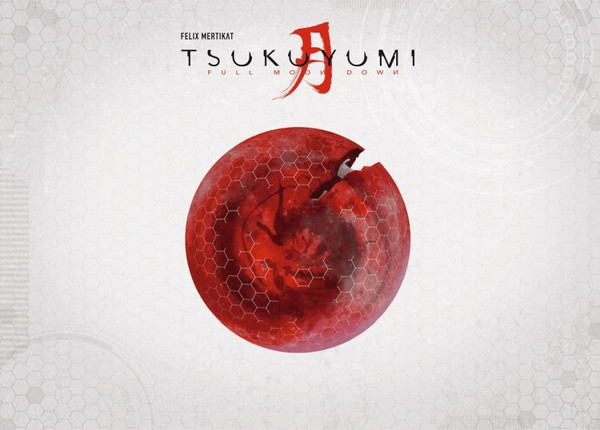
Tsukuyumi: Full Moon Down (Second Edition)
2020
BGG Geek Rating
2.9
BGG Average Rating
3.7
community average
BGG Ranking
#4318
all board games
Platform Ratings
Rate the digital implementation
No ratings yet
Players
2-4
Weight
3.7
Playtime
180 min
Age
12+
⚙️ Game Mechanics
How this game works - core systems and player actions
📂 Categories
🎨 Artists
📖 About This Game
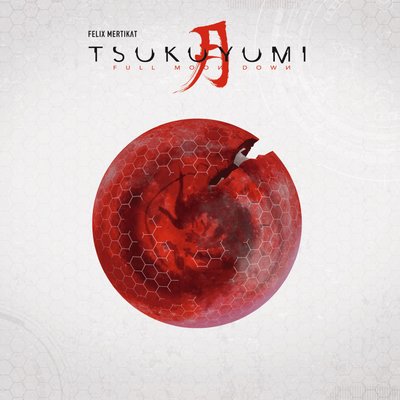
The future: Slowly but steadily, the Moon has been approaching the Earth. It has touched the surface and ripped a deep rift across continents, mountain ranges and oceans. It has come to a halt in the now dried-out Pacific Ocean. Chaos and devastation wrecked the Earth and its inhabitants. That chaos grew greater when the Moon revealed itself to be a "kami" (a Japanese God of old) - the white dragon, Tsukuyumi. Exiled into the night sky eons ago, Tsukuyumi has been roused by Japanese warriors, who tried to rid themselves of their godly creators. Tsukuyumi's time for revenge has finally come. In the post-apocalyptic world, humankind is on the verge of extinction, whereas animal species mutated under the influence of Tsukuyumi and grew bigger and stronger than ever. All those different factions are now fighting fiercely for survival, as well as for world domination.
Tsukuyumi: Full Moon Down is a no-luck boardgame that demands specific strategic skills of its players. Its particular appeal lies in the clash of multifarious, asymmetrical factions. At the beginning, each player picks one of the five factions. The factions bring their own respective abilities, units and strategies. Therefore the game changes depending on what factions meet on the battlefield. Each faction has its own units, its own strengths and special abilities - therefore requiring a very adjusted strategy to win.
After the gameboard is set up, every player chooses a faction respectively. The faction boards explain in detail all special abilities and how to use them. It also specifies the factions' start set-up.
Each round consists of the following phases:
White Phase: Players use the white action card they chose to emphasize their strategy.
Blue Phase: Players can rise in the initiative order and/or draw an Impact Card.
Green Phase: New units are generated and resources collected.
Red Phase: Units are moved, adversarial areas and units may be attacked. Onis are placed, moved, and used for attacks.
The game ends after the number of rounds determined by the players beforehand - usually 3-4 rounds The player who gains the most Victory Points wins the game. Victory Points are earned by conquering and occupying areas, and by fulfilling goals and/or the faction's respective mission.