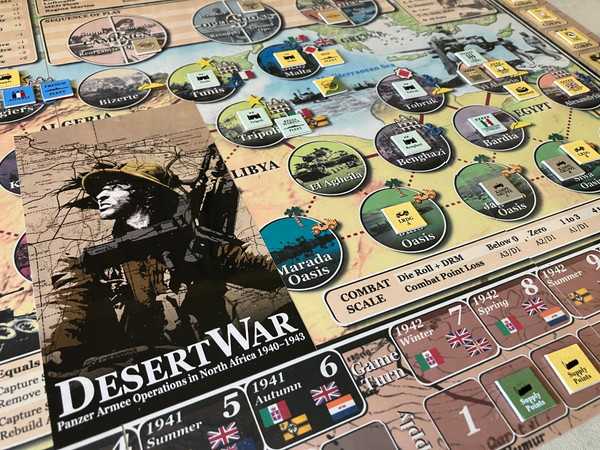
Desert War: PanzerArmee Operations in North Africa 1940-1943
Not Rated
No ratings yet
Players
1-2
Weight
N/A
Playtime
150 min
Age
14+
📂 Categories
🏢 Publishers
📖 About This Game
Desert War is the first game in the new "Breakthrough History" series designed by pioneer SPI-Avalon Hill wargame designer Frank Davis. Although his 1976 "Wellington's Victory" design was one of the first SPI monster games, in 1983, he deserted the wargame hobby because he felt games had grown too tedious and complicated.
Forty years later, he returned to fight for more efficient, less time-consuming games. Breakthrough History Games are deliberately designed to reimagine and update the classic Avalon Hill games that jump-started the American wargame hobby like Afrika Korps and D-Day. Games that make military history compelling, not baffling.
As the trailblazer design, Desert War models the entire Campaign for North Africa on a compact 17"X22" mounted map, with fewer moving pieces and grid spaces than chess. In fact, Desert War feels like a World War II chess match set in North Africa, where sand is deep, but war is simple.
In the North African desert, World War II was reduced to the basics: food, water, and petrol. A tank with no gas had no combat value. Spare tank treads and anti-tank gun ammo were more important than flank maneuvers and odds ratios.
To maximize playability, Desert War minimizes the number of combat units and geographical objectives on the map. The game is played with a small number of Army and Corp-sized units on a stunning, hex free map composed of circular "operations zones."
New gamers can read the rules, set-up and play a tense match in less than an hour. The game includes three short, one-hour scenarios (Egypt, Libya, Tunisia) and a three-hour campaign game that covers the entire theater of operations from Cairo to Casablanca.
As a design methodology, Breakthrough History focuses on fundamental war principles and game design efficiency. Most wargame designers see the world in a grain of sand. Sand is slow and deep, but, turn an hourglass upside down and watch time trickle away. A desert war game needs to avoid getting bogged down.
Desert War turns the traditional wargame paradigm upside down. There are no combat strengths, movement allowances, or zones of control. Provisioning scant supply points to individual leaders and formations drives all movement, combat, and loss replacement, simultaneously unifying and simplifying game mechanics.
—description from the publisher
More by Frank Davis
View all
Frederick the Great: The Campaigns of The Soldier King 1756-1759
2.9/5
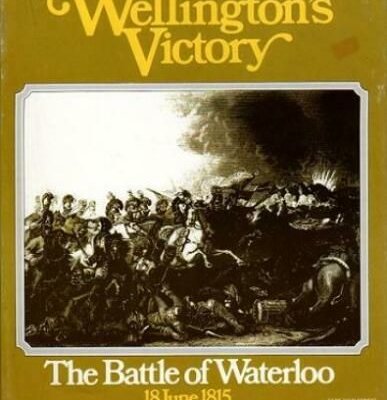
Wellington's Victory: Battle of Waterloo Game – June 18th, 1815
2.8/5
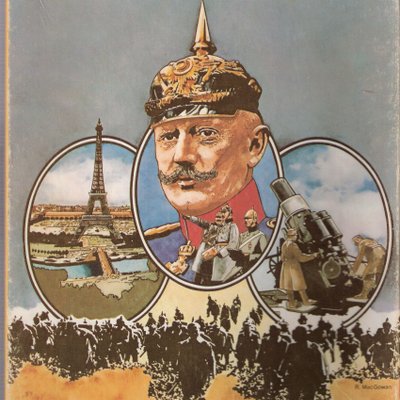
The Guns of August
2.8/5
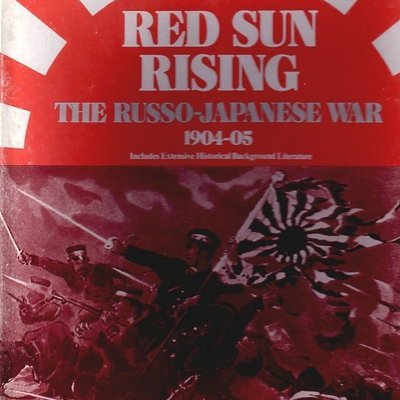
Red Sun Rising: The Russo-Japanese War 1904-05
2.8/5
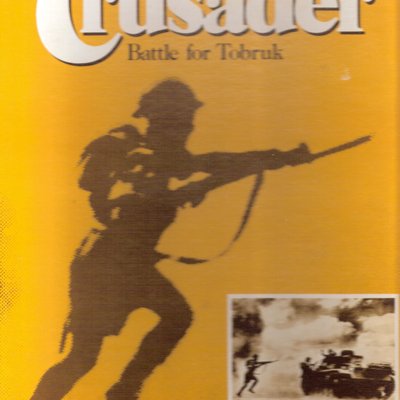
Crusader: Battle for Tobruk, November 1941
2.8/5
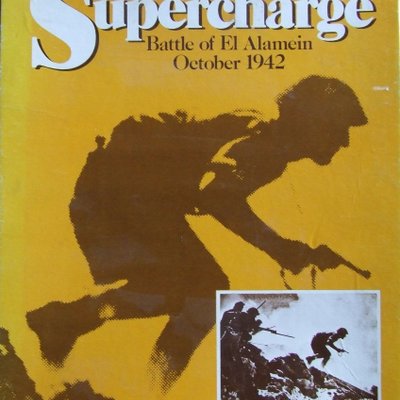
Supercharge: Battle of El Alamein, October 1942
2.8/5